

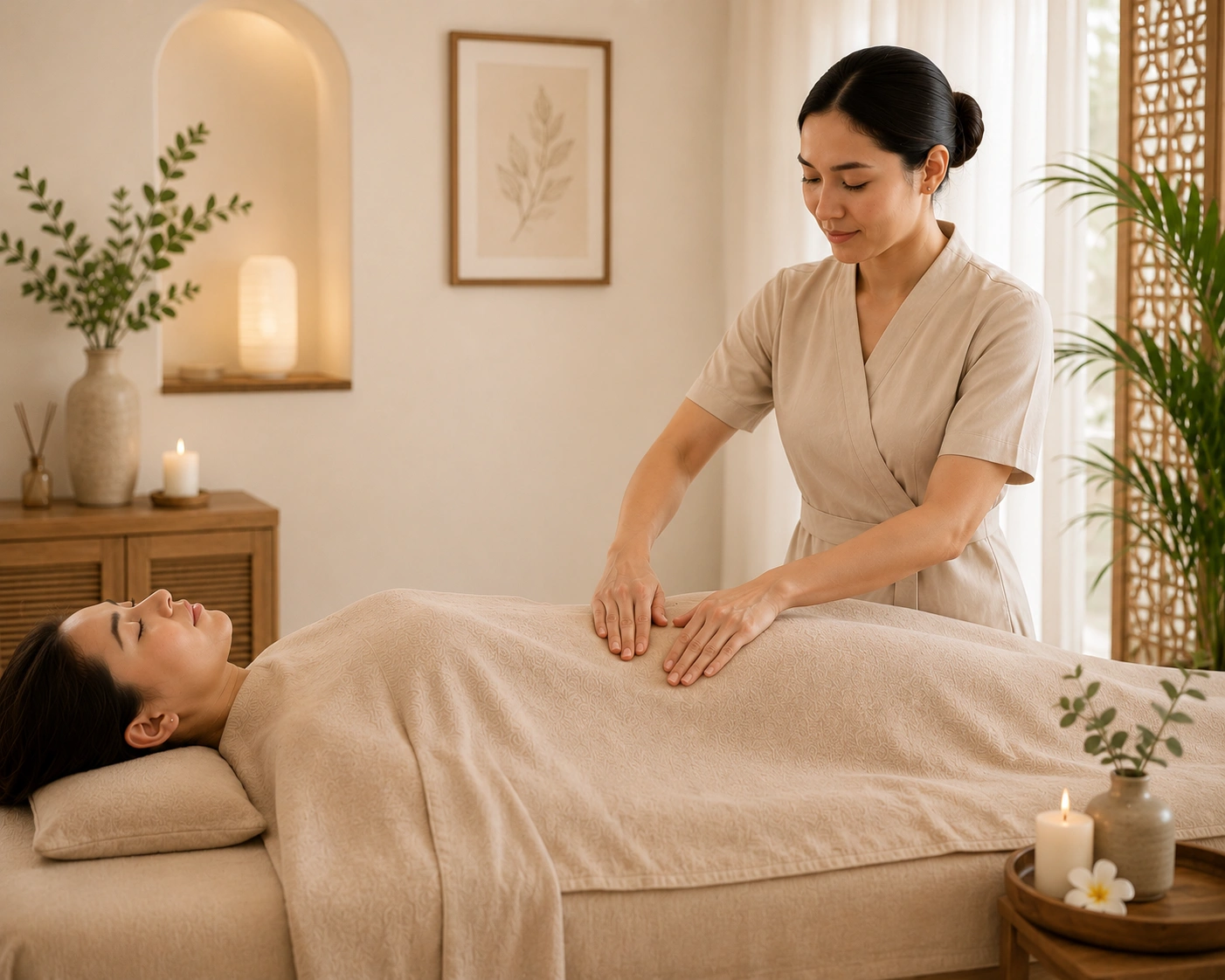
As wellness-focused lifestyles continue to grow in popularity, many people are seeking therapies that support the body’s natural functions rather than simply addressing symptoms. One treatment that has gained significant attention is Manual lymphatic drainage Umalas, a specialized therapy designed to encourage healthy lymphatic circulation and support overall well-being.
While many people associate lymphatic drainage with detoxification, recovery, or reducing swelling, few understand the actual science behind how this treatment works. By understanding the anatomy and physiology of the lymphatic system, it becomes easier to appreciate why Manual Lymphatic Drainage (MLD) has become a valuable part of many wellness routines in Umalas and beyond.
As more people prioritize preventive healthcare and holistic wellness, Manual lymphatic drainage Umalas has become an increasingly popular choice for supporting healthy circulation, recovery, and overall body function. Many wellness visitors include this therapy as part of their regular self-care routine while staying in Bali.
What Is Manual Lymphatic Drainage?
Manual Lymphatic Drainage (MLD) is a gentle therapeutic technique that uses slow, rhythmic hand movements to stimulate the movement of lymph fluid throughout the body.
Unlike traditional massage, which focuses primarily on muscles and connective tissues, MLD specifically targets the lymphatic system.
The technique was originally developed in the 1930s by Danish therapists Emil and Estrid Vodder, who observed that gentle stimulation of lymphatic pathways appeared to support healthy fluid movement and overall wellness.
Today, Manual lymphatic drainage Umalas treatments are widely used in wellness centers, recovery programs, and holistic health practices around the world.
Understanding the Lymphatic System
Understanding how the lymphatic system functions helps explain why Manual lymphatic drainage Umalas is recommended for individuals seeking gentle support for fluid balance and natural recovery. By encouraging healthy lymph movement, this therapy complements the body’s own physiological processes.
To understand why MLD works, it is important to first understand the lymphatic system itself.
The lymphatic system consists of:
- Lymph vessels
- Lymph nodes
- Lymphatic organs
- Lymph fluid
Its primary functions include:
1. Fluid Balance
Every day, fluid leaks from blood vessels into surrounding tissues.
The lymphatic system collects this excess fluid and returns it to the bloodstream, helping maintain healthy fluid balance.
2. Immune Defense
Lymph nodes act as filters that help identify and remove harmful substances, bacteria, and foreign particles.
3. Waste Removal
The lymphatic system transports cellular waste, toxins, and metabolic byproducts away from tissues for eventual elimination.
Without effective lymphatic circulation, fluid and waste products may accumulate within tissues.
Why the Lymphatic System Needs Movement
Unlike the cardiovascular system, the lymphatic system does not have a pump like the heart.
Instead, lymph movement relies on:
- Muscle contractions
- Deep breathing
- Physical activity
- Body movement
- Smooth muscle activity within lymph vessels
When physical activity decreases or the body experiences prolonged periods of sitting, lymph circulation may slow down.
This is one reason why people often experience:
- Puffiness
- Water retention
- Heavy legs
- Feelings of sluggishness
The goal of Manual lymphatic drainage Umalas therapy is to encourage lymph fluid movement using specialized manual techniques.
How Manual Lymphatic Drainage Works
MLD utilizes gentle pressure rather than deep tissue manipulation.
This is because lymphatic vessels are located just beneath the skin’s surface.
Applying excessive pressure can actually compress these vessels and reduce effectiveness.
During treatment, therapists use:
- Circular movements
- Pumping motions
- Stretching techniques
- Rhythmic hand sequences
These movements follow the natural direction of lymphatic flow.
The objective is to encourage lymph fluid to move toward functioning lymph nodes where filtration occurs.
The Science of Lymph Flow Stimulation
Research suggests that manual stimulation may help increase lymph vessel activity.
Lymphatic vessels contain smooth muscle cells that contract rhythmically to move fluid through the system.
Gentle stimulation may support these contractions and encourage improved lymph transport.
Scientists continue to investigate the relationship between manual therapy and lymphatic function, but current understanding indicates that mechanical stimulation can influence lymph movement and tissue fluid balance.
This scientific foundation is one reason why Manual lymphatic drainage Umalas treatments continue to attract interest from wellness practitioners and healthcare professionals alike.
Potential Benefits of Manual Lymphatic Drainage
While results differ from person to person, regular Manual lymphatic drainage Umalas sessions are often incorporated into long-term wellness plans that focus on relaxation, healthy circulation, and maintaining overall balance within the body.
Although individual experiences vary, many people report several potential benefits from regular sessions.
Reduced Swelling
One of the most commonly reported outcomes is a reduction in temporary fluid retention.
Many clients notice:
- Less puffiness
- Improved comfort
- Better mobility
Enhanced Recovery
Athletes frequently use MLD as part of recovery programs after:
- Intense workouts
- Endurance training
- Sporting events
Healthy lymph flow may assist the body’s natural recovery processes.
Relaxation and Stress Reduction
Because MLD uses slow, gentle movements, many individuals find the treatment deeply calming.
This relaxation response may support overall wellness and recovery.
Improved Sense of Well-Being
Clients often describe feeling lighter and more energized after treatment.
While experiences vary, this is one reason MLD remains a popular wellness therapy.
Manual Lymphatic Drainage vs Traditional Massage
Many people assume MLD is simply a lighter version of massage.
However, the two therapies serve different purposes.
| Manual Lymphatic Drainage | Traditional Massage |
| Focuses on lymphatic system | Focuses on muscles |
| Uses light pressure | Uses moderate to deep pressure |
| Encourages lymph flow | Relieves muscle tension |
| Supports fluid movement | Targets muscular discomfort |
| Slow and rhythmic | Various techniques and intensities |
Understanding these differences helps individuals choose the treatment best suited to their needs.
Who Commonly Chooses Manual Lymphatic Drainage?
People seek Manual lymphatic drainage Umalas treatments for a variety of reasons.
Common clients include:
- Wellness travelers
- Athletes
- Yoga practitioners
- Frequent flyers
- Individuals seeking relaxation
- People interested in holistic wellness
The therapy is often incorporated into broader self-care and recovery routines.
Supporting Lymphatic Health Between Sessions
Maintaining healthy lifestyle habits alongside Manual lymphatic drainage Umalas may help maximize the potential benefits of treatment. Consistent hydration, movement, quality sleep, and balanced nutrition all contribute to optimal lymphatic function.
Professional treatment is most effective when combined with healthy daily habits.
Stay Hydrated
Water helps maintain proper lymph fluid movement.
Exercise Regularly
Walking, swimming, yoga, and stretching all encourage lymph circulation.
Practice Deep Breathing
The diaphragm acts as a natural pump that supports lymph movement throughout the body.
Eat a Balanced Diet
Whole foods rich in nutrients support overall wellness and healthy bodily functions.
Prioritize Rest
Sleep plays an essential role in recovery and immune function.
Scientific Research and Medical Interest
Major health organizations recognize the importance of the lymphatic system in maintaining overall health.
Resources from the National Institutes of Health (NIH) and Cleveland Clinic explain the critical role of lymphatic circulation in fluid regulation and immune defense.
These educational resources continue to contribute to growing public awareness of lymphatic health.
Why Umalas Is Becoming a Wellness Destination
For many residents and international visitors, Manual lymphatic drainage Umalas offers a convenient way to integrate evidence-informed wellness practices into daily life. Its gentle approach makes it suitable for individuals seeking relaxation as well as those focused on recovery and preventive care.
Umalas offers a peaceful environment that supports relaxation, recovery, and holistic wellness.
Located conveniently between Seminyak and Canggu, the area has become increasingly popular among travelers and residents seeking professional wellness services.
The combination of tranquil surroundings and modern health-focused facilities makes Manual lymphatic drainage Umalas an appealing option for those looking to support their overall well-being naturally.
Conclusion
The science behind Manual Lymphatic Drainage is rooted in the body’s natural lymphatic circulation system. Through gentle, specialized techniques, MLD aims to support healthy fluid movement, recovery, relaxation, and overall wellness.
As awareness of lymphatic health continues to grow, Manual lymphatic drainage Umalas remains one of the most sought-after therapies for individuals seeking a natural and holistic approach to self-care. Choosing qualified therapists and combining treatment with healthy daily habits can help you achieve the best possible long-term wellness outcomes.