

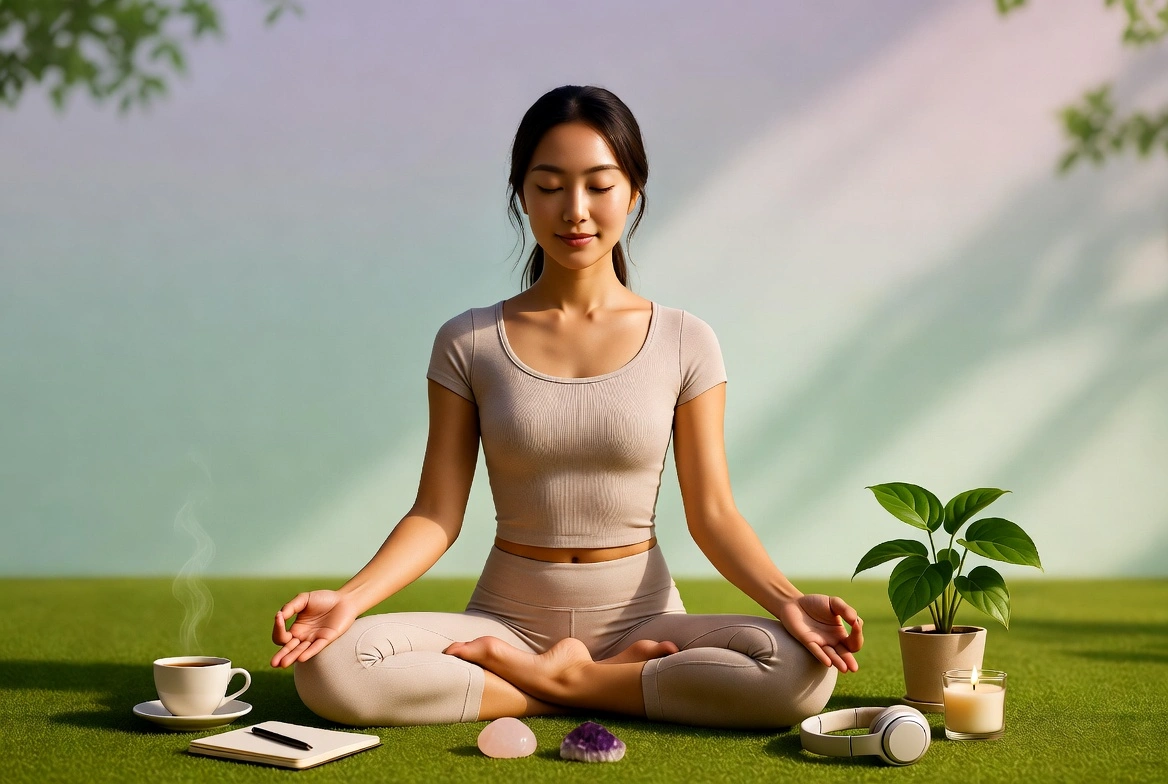
A healthy stress recovery routine is essential for maintaining balance in modern lifestyles. Many people experience daily pressure from work, responsibilities, travel, and busy schedules. While a certain level of stress can help motivate productivity, prolonged stress without proper recovery may negatively affect both physical and mental well-being.
For this reason, building a consistent recovery routine has become an important part of modern wellness practices. A stress recovery routine focuses on helping the body relax, restore energy, and return to a balanced state after periods of tension or fatigue.
By incorporating simple habits into everyday life, individuals can manage stress more effectively while supporting long-term health and overall well-being.
Understanding How Stress Affects the Body
Stress triggers a natural response in the body designed to help people react to challenges. When a stressful situation occurs, the body releases hormones such as cortisol and adrenaline. These hormones increase alertness and energy so the body can respond quickly.
However, when stress becomes constant, the body may struggle to return to a relaxed state. Over time, this can lead to fatigue, muscle tension, sleep disturbances, and decreased concentration.
This is why developing a stress recovery routine is important. Recovery practices allow the body to calm the nervous system and restore physical balance after stressful situations.
Common signs that the body may need recovery include:
feeling constantly tired
experiencing muscle tightness or tension
difficulty falling asleep
feeling overwhelmed or mentally exhausted
Recognizing these signs early can help individuals prioritize relaxation and recovery.
Key Components of a Stress Recovery Routine
A recovery routine does not require complicated steps. Small daily practices can significantly reduce stress and improve overall well-being.
Relaxation and Breathing Practices
Breathing exercises and relaxation techniques are among the simplest ways to calm the body. Deep breathing helps regulate the nervous system and reduce stress levels.
Spending a few minutes each day focusing on slow and controlled breathing can support a balanced stress recovery routine.
Gentle Physical Movement
Physical activity plays an important role in releasing tension stored in the body. Gentle activities such as walking, stretching, or yoga help improve circulation and relax tight muscles.
Including light movement in a stress recovery routine helps the body transition from a state of tension to relaxation.
Quality Sleep and Rest
Sleep is one of the most powerful recovery tools the body has. During sleep, the body repairs tissues, regulates hormones, and restores energy levels.
Maintaining a consistent sleep schedule and creating a relaxing bedtime routine can significantly improve recovery from stress.
The Role of Wellness Practices in Stress Recovery
Wellness practices are often used to support relaxation and recovery from daily stress. Many people incorporate activities such as meditation, relaxation therapies, or wellness treatments into their routines.
These practices encourage the body to slow down and shift into a more relaxed state. A structured stress recovery routine often combines daily habits with occasional wellness experiences that promote deeper relaxation.
For example, some people choose wellness treatments that focus on relaxation and body balance. These experiences can help release tension and support overall wellness.
If you are interested in exploring relaxation-focused wellness treatments, you can learn more about available services at Amarta Detox wellness treatments.
Creating a Balanced Lifestyle
Managing stress effectively requires a balanced lifestyle that includes both productivity and recovery. Many wellness professionals recommend building healthy routines that support both physical and emotional well-being.
Developing a stress recovery routine may include habits such as:
maintaining regular sleep patterns
staying hydrated throughout the day
practicing mindfulness or meditation
engaging in regular physical activity
scheduling time for relaxation
These habits allow the body to recover from daily pressure and maintain a healthy balance between activity and rest.
According to wellness information from Healthline, relaxation techniques and healthy lifestyle habits can significantly improve the body’s ability to manage stress and maintain long-term health.
Conclusion
A consistent stress recovery routine helps individuals restore balance, reduce tension, and improve overall well-being. By incorporating simple habits such as relaxation techniques, gentle movement, proper rest, and mindfulness practices, the body can recover from daily stress more effectively.
Stress is a natural part of life, but recovery is equally important. When individuals prioritize recovery and relaxation, they support both physical and mental health, creating a healthier and more balanced lifestyle.